Essential Maintenance and Care for Your Sliding Doors: Tips and Tricks
Preserving sliding doors is important for both operation and visual appeal. Routine maintenance can ward off typical issues and prolong their life. Basic steps like cleaning tracks and lubricating rollers can have a major impact. Despite this, many homeowners disregard these essential practices. Learning the right approaches and understanding when to hire a specialist can ensure sliding doors perform reliably. Discover the essential measures to boost the functionality and aesthetics of these critical entryways.
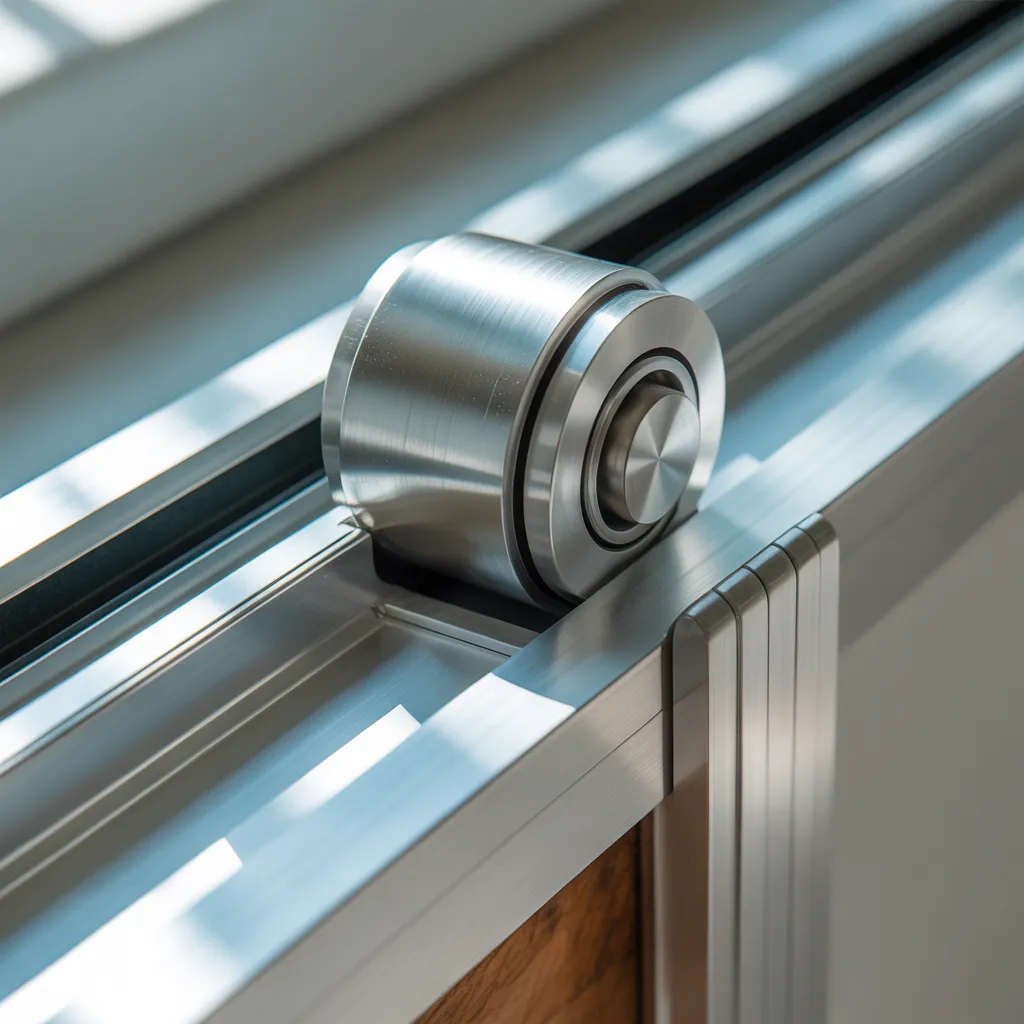
The Importance of Maintaining Your Sliding Doors
Preserving sliding doors is crucial for protecting their longevity and functionality. Consistent care stops minor issues from developing into major problems, which can be financially draining and tedious to address. Thorough servicing boosts the doors' operation, providing smooth operation and stopping jamming or improper alignment.
Ignoring regular upkeep may cause wear and tear, compromising both the visual appeal and safety of the doors. Dust, grime, and debris can build up in the tracks, hindering movement and causing unnecessary strain on the hardware. Additionally, regular inspections can identify potential issues, such as deteriorating seals or rusting components, enabling prompt repairs to be made.
In the end, keeping sliding doors well-maintained not only protects their appearance but also supports energy efficiency by guaranteeing a proper seal against the elements. Through consistent upkeep, homeowners can boost the overall worth and functionality of their sliding doors, ensuring they stay a trusted fixture within their living spaces.
Important Tools for Sliding Door Care
A few essential tools can greatly simplify the maintenance of sliding doors. First, a soft cloth or microfiber towel is critical for dusting and wiping down surfaces without scratching the glass. Additionally, a vacuum cleaner equipped with a hose attachment can efficiently clear debris from the track and nearby areas. A compact brush, like a worn toothbrush, is useful for loosening stubborn dirt or grime that tends to build up in hard-to-reach areas.
Furthermore, a spirit level confirms that the door is correctly set, eliminating functional problems. A lubrication product uniquely crafted for sliding doors is also necessary for achieving seamless motion. To conclude, a collection of screwdrivers could be necessary for small fixes or modifications. By having these tools on hand, residents can maintain their sliding doors efficiently, enhancing both functionality and longevity.
Step-by-Step Tips for Cleaning Sliding Doors
Cleaning sliding doors requires particular materials and an organized method to achieve the best possible results. This section outlines the fundamental cleaning tools, a step-by-step process for effective cleaning, and maintenance tips to enhance the longevity of the doors. Understanding these techniques will help maintain both functionality and appearance.
Key Cleaning Supplies Required
Maintaining a proper cleaning routine for sliding doors demands a few essential supplies that make the process efficient and thorough. To begin, a soft microfiber cloth is essential for preventing scratches while efficiently collecting dust and debris. A gentle cleanser or a mixture of vinegar and water serves as a powerful yet safe cleaning solution. Additionally, a small vacuum or a handheld brush helps remove debris from the tracks, preventing buildup. To tackle more difficult stains, a non-abrasive sponge proves to be quite useful. Lastly, a slim, flexible tool like an old toothbrush is perfect for accessing tight spots and corners. Having these supplies readily available makes maintaining the look and performance of sliding doors a straightforward task.
A Step-by-Step Cleaning Guide
Having assembled the appropriate cleaning materials, the subsequent step entails a structured approach to keeping sliding doors clean. First, one should start by eliminating loose dirt and debris from the tracks using a soft brush or vacuum. Afterward, a mild detergent mixed with warm water can be used on the glass and frame with a microfiber cloth, making sure all surfaces are thoroughly cleaned. For stubborn stains, a mild glass cleaner may be used. Following the cleaning process, one must rinse all surfaces with fresh water to avoid residue. As a last step, using a lint-free cloth to dry the glass will eliminate any streaks. Performing this process on a regular basis will ensure the cleanliness and functionality of the sliding door panels.
Maintenance Tips for Longevity
Keeping up sliding doors necessitates consistent attention to ensure their long-term performance and smooth operation. Frequent cleaning is necessary; dirt, dust, and grime can accumulate in the tracks, leading to operational issues. A basic routine consists of vacuuming the tracks and wiping them down with a wet cloth. Additionally, coating the rollers and tracks with a silicone-based lubricant can reduce friction and facilitate better gliding. Examining the door seals for signs of damage is important, as worn seals can cause air leakage. Moreover, checking the alignment of the doors periodically facilitates the early spotting of misalignments, reducing the risk of major issues. To conclude, addressing any scratches or chips promptly can maintain the door's exterior and extend its durability. These practices contribute to the lasting performance of sliding doors.
Identifying and Repairing Sliding Door Concerns
Assessing and addressing sliding door issues is vital for maintaining functionality and security. Frequent concerns encompass worn-out rollers, misalignment, and sticking tracks, which can generally be resolved with basic tools. However, determining when a problem necessitates professional help is equally essential to guarantee long-term effectiveness.
Prevalent Sliding Door Troubles
Sliding doors can encounter numerous challenges that impact their operation, making it crucial to identify and resolve these concerns in a timely manner. Typical concerns include misalignment, which often occurs due to wear and tear on the tracks or rollers. This misalignment can cause the door to stick or not close properly. A common issue is the buildup of debris within the track, which can obstruct smooth movement. Furthermore, weather stripping can degrade with age, leading to drafts and reduced energy efficiency. Rust or deterioration on metal elements may also compromise performance. Recognizing these problems early on facilitates timely resolution, guaranteeing the sliding door stays in proper working condition, ultimately enhancing the overall aesthetic and usability of the space.
Tools for Quick Repairs
Identifying typical sliding door issues is the initial step toward efficient repairs. Necessary tools can significantly streamline the repair workflow. A screwdriver set is indispensable for securing or changing screws, while a utility knife can help clean and replace worn weather stripping. A level ensures that the door is correctly aligned, avoiding further issues. For especially challenging problems, a hammer and chisel may be required to modify or extract stuck tracks. Lubricants such as silicone spray are also essential for maintaining efficient operation. Keeping a standard toolkit on hand enables homeowners to address minor issues quickly, improving the longevity and functionality of sliding doors. Regular checkups, combined with these tools, can prevent more significant repairs down the line.
When to Seek Professional Help
Numerous homeowners encounter problems with their sliding doors that can be difficult to address independently. When issues such as persistent misalignment, struggles with opening or closing, or unusual noises develop, it may be time to contemplate professional support. Experts possess the essential tools and knowledge to detect intricate concerns that may not be apparent to the inexperienced observer, such as damage to the frame or worn-out rollers. Additionally, if the sliding door has experienced considerable damage or the tracks are extensively rusted, professional assistance is critical to ensure proper function and safety. Ultimately, understanding the limits of DIY repairs can help homeowners save time as well as money, encouraging long-term satisfaction with their sliding doors.
How Lubrication Guarantees Smooth Sliding
Keeping sliding doors functioning smoothly depends on proper lubrication. Correct lubrication decreases friction between the door and its track, promoting fluid and effortless operation. Over time, dirt and debris can accumulate, leading to stiffness and potential damage. Routinely applying the right lubricant—such as silicone spray or a lightweight oil—supports the ongoing functionality of the door.
It is crucial to thoroughly clean the tracks before lubrication to remove any obstructions. A properly cleaned surface helps the lubricant function at its best, enhancing the door's glide. Additionally, attention should be given to the rollers and copyrights as these elements also benefit from lubrication to perform at their best.
Using too much lubricant can attract more dirt, so applying it sparingly is essential. For best results, a periodic check and treatment every few months can extend the lifespan of sliding doors, guaranteeing they continue to serve as a practical and attractive element in any household.
Seasonal Maintenance Tips for Peak Sliding Door Performance
Seasonal changes can significantly influence the operation of sliding doors, making consistent upkeep essential. In winter, homeowners should ensure that winter precipitation does not collect around the sliding door track, as this can hinder movement. Consistently removing the tracks of dust and debris is vital, particularly in spring when dust and pollen are common.
Throughout the summer season, you should look for any warping caused by elevated temperatures. Keeping a stable environment can help prevent this problem. Additionally, humidity levels can affect the door's alignment; employing a dehumidifier could resolve the issue.
During autumn, fallen leaves may block the track, requiring regular cleaning. Evaluating seals and weather stripping during seasonal shifts can prevent drafts and moisture infiltration. By observing these seasonal care practices, homeowners can be certain their sliding doors maintain both functionality and visual appeal year-round.
When It's Time to Call a Professional for Repairs
Identifying the indicators that a sliding door requires expert care is crucial for preserving its functionality and longevity. Homeowners should be vigilant for issues such as resistance when sliding, uneven positioning, or loud operation. When the door refuses to shut properly or shows gaps that affect security or energy efficiency, contacting a qualified expert is strongly recommended.
Furthermore, noticeable harm to the frame, tracks, or rollers can point to significant structural concerns that demand expert intervention. A door that frequently derails or falls off its track poses a safety risk, necessitating immediate intervention.
Moreover, persistent issues despite routine maintenance, such as oiling or cleaning procedures, indicate the necessity of a thorough professional diagnosis. Neglecting these signals can contribute to extensive damage and costly restoration work. By resolving concerns without delay through professional support, property owners can prolong the lifespan of their sliding doors and ensure they function reliably and securely.

Commonly Asked Questions
What Is the Recommended Cleaning Frequency for My Sliding Doors?
Specialists advise maintaining sliding doors no less than once every three months. That said, maintenance intervals may need to be adjusted according to surrounding environmental elements, including dust or pollen accumulation, requiring more consistent care to maintain top-level function and visual appeal.
Is Vinegar Safe to Use for Cleaning Sliding Doors?
Absolutely, vinegar works well for cleaning sliding doors. Its inherent acidic properties work efficiently to remove dirt and stains. That said, it is recommended to dilute the vinegar with water to prevent possible damage to specific door materials.
What Type of Lubricant Is Best for Sliding Doors?
Silicone-based lubricants work perfectly for sliding doors, as they minimize friction while repelling dirt. Graphite powder is another option, providing a dry lubricant that prevents rust and corrosion, guaranteeing smooth performance over time.
Are Sliding Doors Energy-Efficient?
Sliding doors are able to be energy-efficient if properly insulated and fitted with dual or triple glazing. Their design minimizes airflow, reducing energy loss, however performance largely relies on the installation quality and the materials used.
Can I Install Sliding Doors Myself?
Absolutely, homeowners can install sliding doors themselves, provided they have essential guide the required knowledge and tools. Nevertheless, precise measurement, proper leveling, and following manufacturer guidelines are critical for guaranteeing a proper installation and optimal performance.